
Getting Lost
The Quest

Back in 2015 I purchased a copy of A Field Guide to Getting Lost by Rebecca Solnit. It is described on the back of the cover as an Investigation into loss, losing and being lost. Its a funny little book that does keep getting lost. I’m not sure where it goes , but it is imbued with a kind of magic, that makes it reveal itself to me when I need it most. As it magically appears on my bookshelf ready to be found. Ready for me to begin. It is a wandering book.
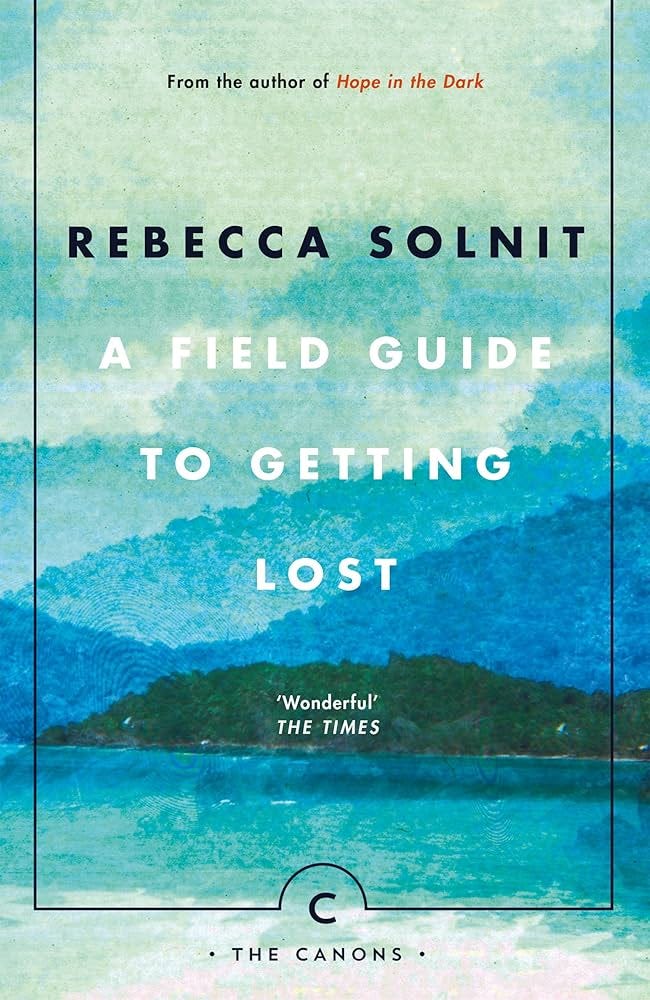
I have come back to it as begin to explore night my sibling died. It was a night that began to lose myself. In shock I walked into the dark, somehow I found my way to where I needed to go. In the very first pages Solnit refers to leaving the door open at night.
Leave the door open for the unknown, the door into the dark. That’s where the most important things come from, where you yourself come from and where you will go. Rebecca Solnit
There was a threshold that was crossed that night in November, a movement from place to the next, one state of being to another.
Liminal is a word that is often overused, yet is a state we all live in, in constant flux and change.
Solnit quotes Oppenhiemer “Scientists too, as J. Robert Oppenheimer once remarked, ‘live always at the “edge of mystery”—the boundary of the unknown.’ although taken out of context form a much larger quote, this sentence “Both the man of science and the man of art live always at the edge of mystery, surrounded by it.
Our absolute existence is terra incognita, from it beginning to its end, we are always on the edge of the unknown.
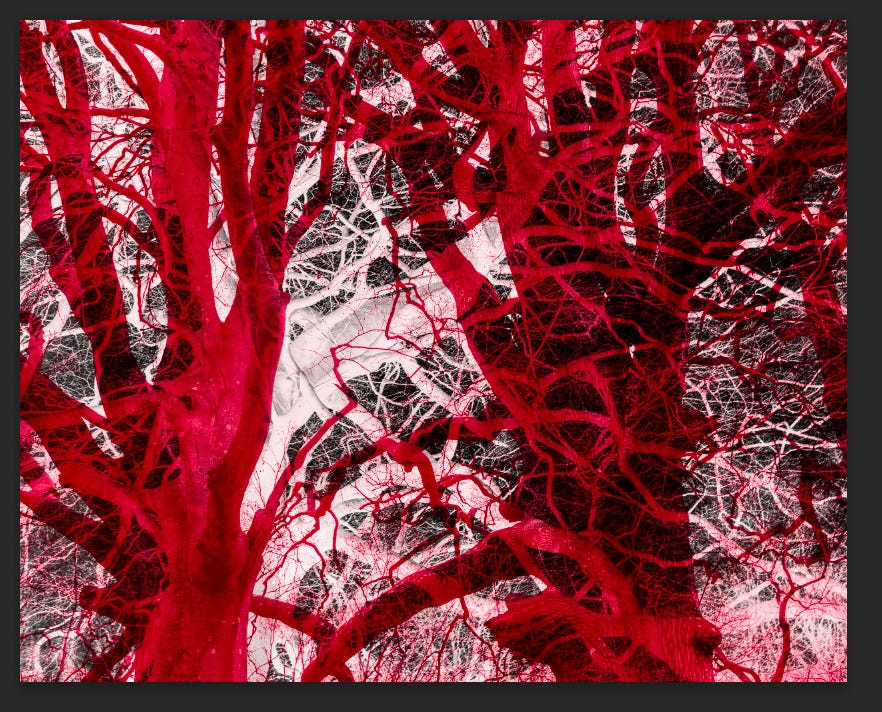
There are so many liminal states, yet it is often described in a very linier way like a line you cross yet the space it occupies can be vast, it is in our biology and it is temporal and spatial.
Kathryn Broderick, describes it as,
Not limited to spacial or cosmological threasholds-it is also embedded in the most intimate transitions of human life.
Currently all these ideas are filtering into my story, I am weaving words for my new photobook. As I am not a writer of any kind of work, fiction or nonfiction this is tricky. But the structure is building, I want the work to be like a folk song with its use of language and character where often things have dual meaning. They can be both things at once.
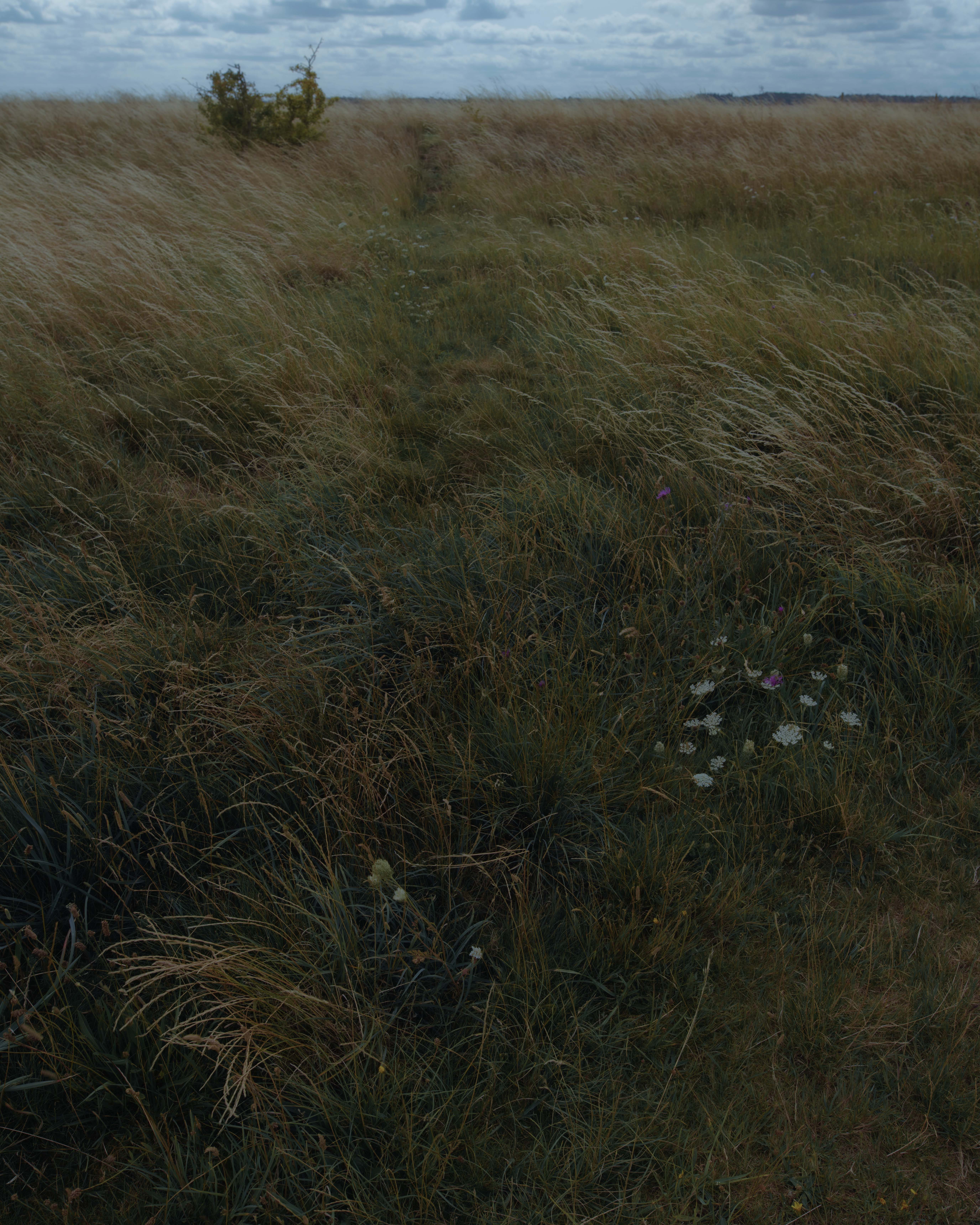
In her book Solnit describes the character of The Wanderer, A person who does not stay in one place, someone who moves aimlessly about, they are someone who finds themselves in a situation that is hard to bear. Stopping here and there, but never from more than a few days. They will not make or show any outward sign of grief, sorrow, or worry. They live on the tops of mountains and the bottom of canyons, in wild, lonely places.
My book does need a wander a restless soul, who traverses the liminal states of place and time . Who can pierce the barrier but knows no rest endlessly searching for who knows what.
They move through the world a restless spirit from plain of reality to another, they can be found often at the entrance to these liminal place. A wonderful contemporary version is Pilgrim by Sebastian Baczkiewicz.
Pilgrim (William Palmer), cursed with immortality by the King of the Greyfolk, is forever forced to walk between the human world and the world of Faerie in a never-ending quest to preserve the uneasy balance between the two.
As I enter this world I must encounter all manner of strange beings, as I walk to the epicentre of the other place.
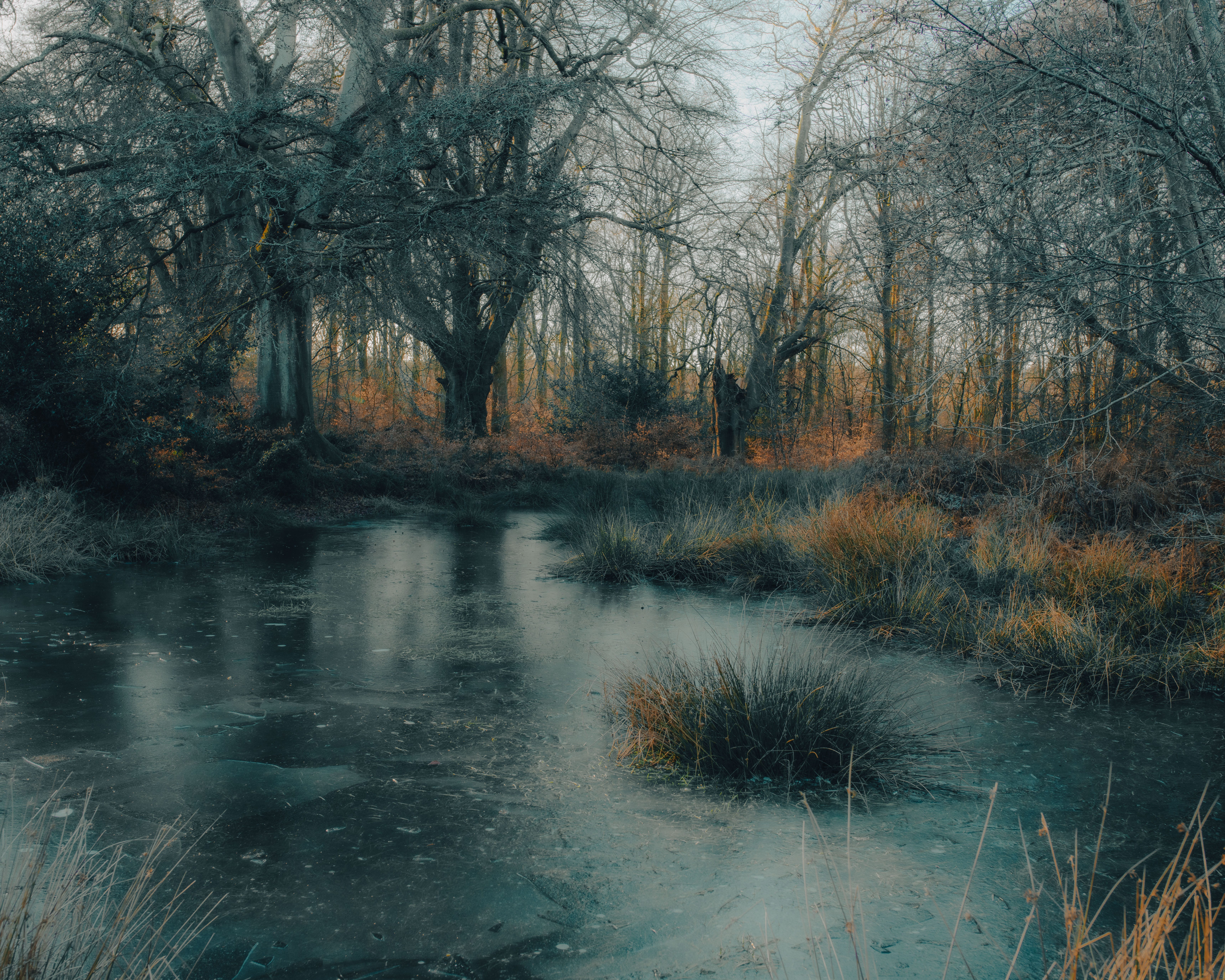
What will my quest be? Like everyone who has lost someone it is to see them one last time.
Solnit writes
Lost really has two disperate meanings. Losing things is about the familiar fading away, getting lost is about the unfamiliar appearing. There are objects and people that disappear from your site or knowledge or possession; you lose a bracelet, a key, a friend. You still know where you are everything is familiar except there is one item less ond missing element.
Billy Bob Thorton describes it well in this video, something that I relate to profoundly.
The lost of my brother had a profound effect on me, the circumstances surrounding his death have left me feeling as Thorton describes, as only feeling happy 50% of the time, the rest he misses his brother, he has a sense of profound melancholia.
So I hope you will come with me on my Odyssey as I navigate my way through the other place and build the structure that will tell my story.
You are a writer Dawn.
I was coming here to say the same thing. Just because you think you’re not a writer, doesn’t mean you can’t write. Look what you’ve done here. Captivating! When you write from the heart, it flows out like water in a river. Beautiful piece. I have that book but haven’t read it yet and it gets lost all the time. Hoping it will reappear soon because I think I really need it now.